Seoul is one of the most dynamic places on earth to travel: royal palaces from a long history sit in the same city as a cutting-edge urban culture. Just a few subway stops from Gyeongbokgung, the main palace of the Joseon Dynasty, you will find world-class K-pop venues and Michelin-starred restaurants, and a trendy specialty coffee shop can be tucked into a corner of a hanok alley.
With about 9.5 million residents, Seoul is the political, economic and cultural center of South Korea, and more than 10 million foreign visitors come every year. Nine subway lines and a dense bus network cover the whole city, so even first-time visitors get around easily, and English signage plus translation apps have lowered the language barrier a lot. Convenience stores, jjimjilbang (Korean bathhouses) and pojangmacha street tents that stay open around the clock have earned Seoul the nickname "the city that never sleeps".
This guide covers Seoul's main sights, food, transport, budget and the best time to visit. Whether it is your first trip or a return visit, it collects the essentials you can use straight away when planning.
Seoul at a glance
Seoul lies in the center-west of the Korean Peninsula. Bukhansan and Dobongsan mountains rise to the north and Gwanaksan to the south, and the Han River runs through the middle of the city. It is divided into 25 districts (gu), each with its own character.
| Item | Details |
|---|---|
| Official name | Seoul Special City |
| Population | About 9.5 million (about 26 million including the capital area) |
| Area | 605.2 km² |
| Time zone | KST (UTC+9), no daylight saving time |
| Currency | South Korean won (KRW, ₩) |
| Language | Korean (English support at major sights and in the subway) |
| International airports | Incheon International Airport (ICN), Gimpo International Airport (GMP) |
| Visa | Depends on your nationality; a K-ETA or a visa may be required |
History and culture: walking through the Joseon Dynasty
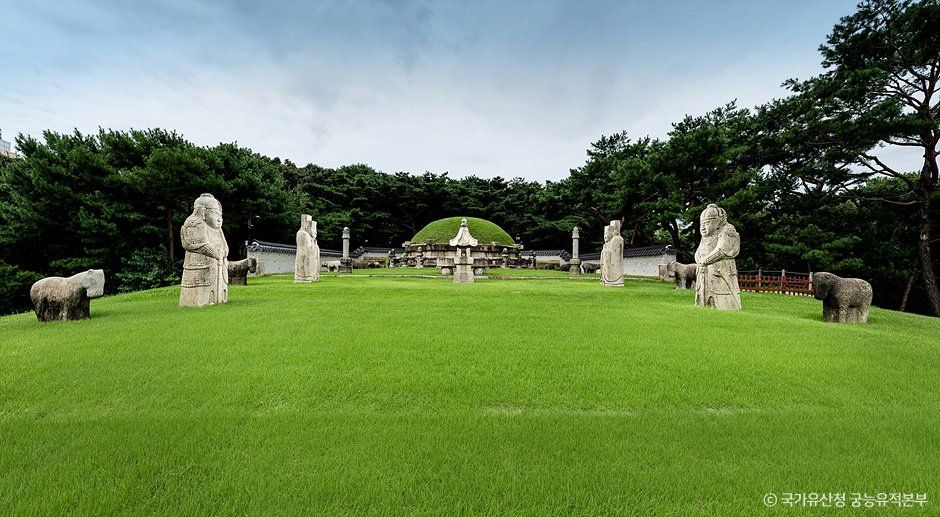
Dozens of historic sites, including UNESCO World Heritage Sites, are still part of everyday life in central Seoul. Renting a hanbok and strolling through a palace feels like traveling back to the Joseon era.
- Gyeongbokgung Palace: The main royal palace of Joseon, founded in 1395. Key halls such as Geunjeongjeon, Gyeonghoeru and Hyangwonjeong have been restored, and the Royal Guard Changing Ceremony (daily at 10:00 and 14:00) is a favorite. Admission is free if you wear a hanbok. Gyeongbokgung Station (Line 3), Exit 5, a 5-minute walk.
- Changdeokgung Palace and its Secret Garden (Huwon): A secondary Joseon palace listed as a UNESCO World Heritage Site. The royal garden, Huwon, can only be seen on reserved special tours (4 per day, limited to 100 people each), letting you enjoy royal culture in quiet natural surroundings.
- Bukchon Hanok Village: The Joseon-era residential area of the yangban (aristocrats) between Gyeongbokgung and Changdeokgung. About 600 hanok houses line its alleys, and many now house workshops, cafés and galleries. Come early in the morning to enjoy the alleys while they are quiet.
- Insadong: A culture street packed with traditional crafts, antique paintings and calligraphy, and ceramics galleries. You can try hands-on crafts at the workshops inside Ssamziegil, and the street is lined with traditional sweets and street food.
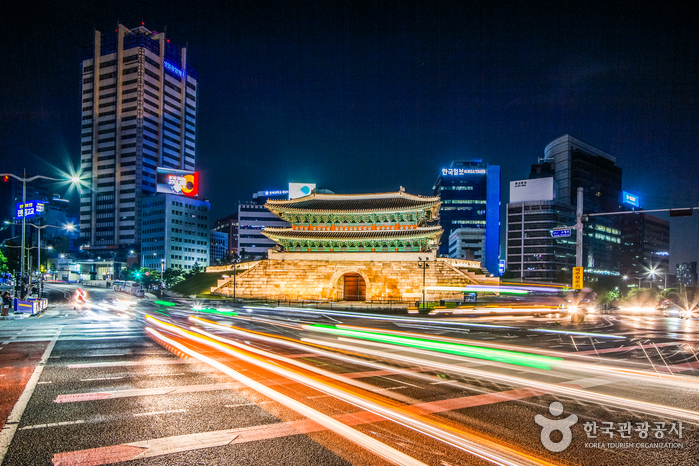
- Seoul City Wall Trail: An 18.6 km trekking course following the Joseon-era city wall. It is divided into the Naksan, Namsan, Inwangsan and Bugaksan sections; the Naksan section, with its beautiful night views, is popular with beginners.
- National Museum of Korea: One of the six largest museums in the world, holding about 400,000 artifacts from prehistory to the Joseon era. The permanent exhibition is free. Directly connected to Ichon Station (Line 4), Exit 2.
Modern Seoul and entertainment
As the birthplace of K-pop, K-dramas and K-beauty, Seoul has powerful cultural draws for young travelers from around the world. Neighborhoods such as Gangnam, Hongdae, Itaewon and Seongsu each have their own distinct appeal.
- Myeongdong: Seoul's biggest shopping and cosmetics street. It is lined with flagship stores of K-beauty brands, and in the evening the street fills with food stalls. Its currency exchange rates are among the best in the city, and Myeongdong Cathedral is nearby.
- Gangnam, Apgujeong and Cheongdam: Seoul's affluent face, packed with upscale restaurants, luxury boutiques and cosmetic surgery clinics. Around K-pop agencies such as SM, YG and JYP you will find celebrity merchandise shops and cafés.
- Hongdae, Hapjeong and Mangwon: The hub of clubs, indie music and street art near Hongik University. Weekend-evening busking and quirky select shops draw young crowds, and a "Han River picnic" combined with Mangwon Hangang Park is popular too.
- Seongsu-dong: Seoul's "Brooklyn", where a former shoe-factory district has turned into hip galleries, pop-up stores and brunch cafés. Together with Daelim Changgo and Seoul Forest it is one of the city's top photo spots.
- DDP (Dongdaemun Design Plaza): A free-form building designed by Zaha Hadid. Its ongoing exhibitions and night lighting are spectacular, and it sits next to the Dongdaemun wholesale fashion malls.
- N Seoul Tower (Namsan Seoul Tower): A landmark at 479 m above sea level with a 360-degree view over Seoul. You can go up by cable car or along the Namsan trails, and it is famous for its "love locks".
Nature and leisure: green escapes in the city
Despite being a huge city, Seoul has plenty of nature close to downtown, from the riverside parks of the Han River to Bukhansan National Park and the Inwangsan trails, making it ideal for enjoying "nature in the city".
- Hangang Parks: Riverside parks spread over 12 areas including Gwangnaru, Ttukseom, Jamwon, Banpo, Yeouido and Nanji. Bike rentals, kayaking, chicken and pizza delivery picnics and night-view cruises are all on offer. The Banpo Moonlight Rainbow Fountain (the world's longest bridge fountain) is a must for the evening.
- Bukhansan National Park: A granite mountain about 30 minutes from downtown by subway. The Baegundae (836 m) course is the most popular; the trails are well maintained, so beginners can give it a try. The view over northern Seoul is breathtaking.
- Seoul Forest, Eungbongsan and Achasan: Natural spaces near downtown known as a city park, a night-view spot and trekking courses. Eungbongsan in particular is a favorite photo spot for night views over the Han River and eastern Seoul.
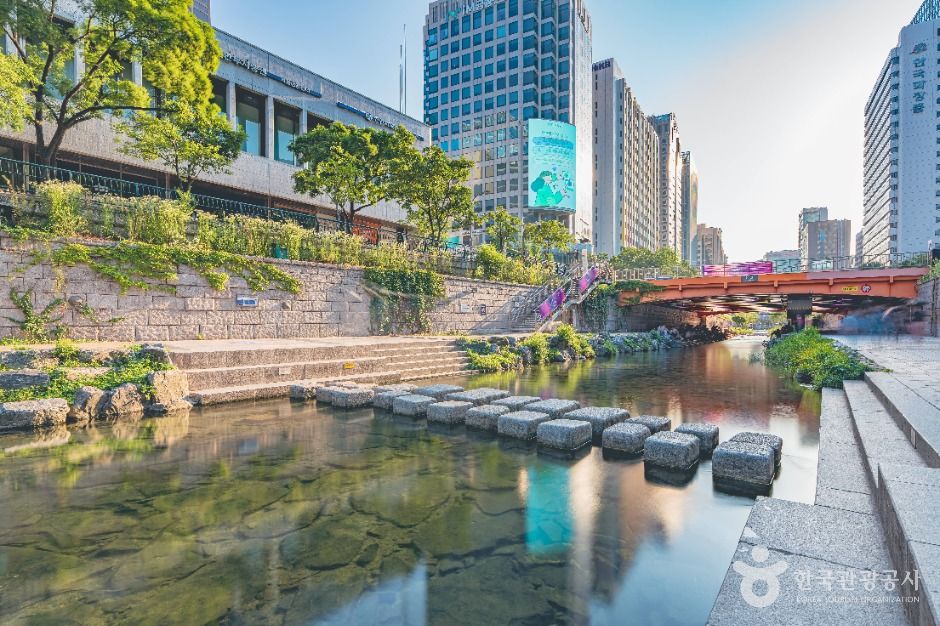
- Cheonggyecheon Stream: A downtown stream restored in 2005. The roughly 5.8 km stretch from Gwanggyo to Sindap Railway Bridge is great for a walk, and during the Seoul Lantern Festival (November) it is transformed by lantern installations.
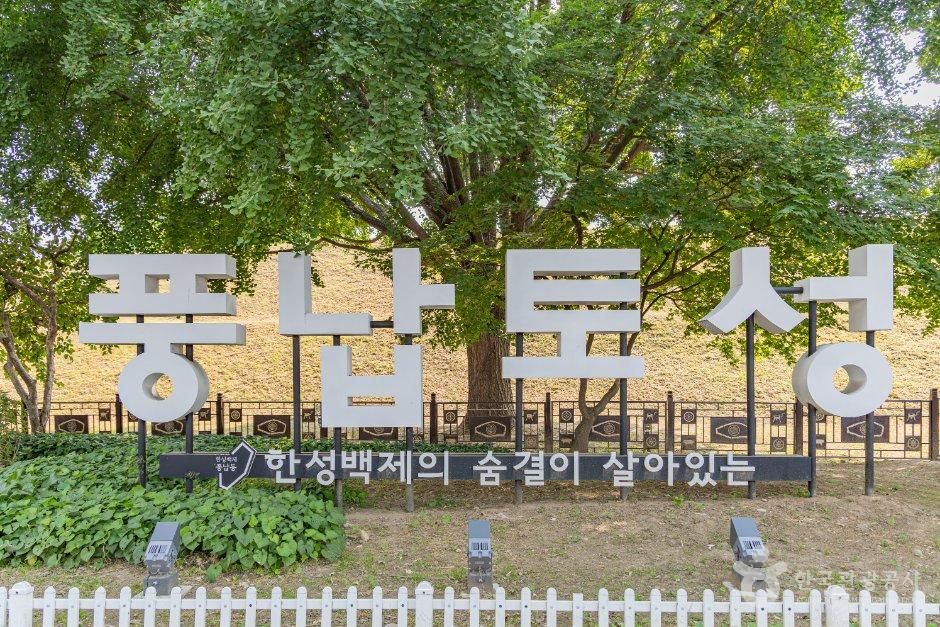
- Olympic Park: An 88-hectare park that preserves the legacy of the 1988 Seoul Olympics. You can enjoy history and nature together by walking on Mongchontoseong, an earthen fortress from the Baekje period, and concerts are often held at its large outdoor venues.
What to eat in Seoul
Seoul has had its own Michelin Guide since 2016 and boasts a broad food culture, from traditional Korean cuisine to dishes from around the world. Even a simple street snack can carry decades of know-how.
- Samgyeopsal and galbi: Korea's favorite meal out. You grill the meat yourself over charcoal or briquettes and eat it with lettuce wraps, doenjang-jjigae (soybean paste stew) and rice. The alleys around Gongdeok and Hapjeong in Mapo and near the World Cup Stadium in Sangam-dong are well known.
- Hanwoo (Korean beef) restaurants: Premium restaurants serving 1++ grade hanwoo cluster in Gangnam and Cheongdam. On a tighter budget, you can buy meat yourself at Majang-dong Meat Market and have it grilled at a designated restaurant.
- Haejangguk, seolleongtang and gomtang: Bone-broth soups that warm you up early in the morning or late at night. Long-running restaurants around Euljiro and Jongno are famous, and many are open 24 hours.
- Tteokbokki, sundae and twigim (bunsik): Sindang-dong Tteokbokki Alley is considered the home of tteokbokki, and Gwangjang Market's "mayak gimbap" and bindaetteok (mung bean pancakes) are street foods you should not miss in Seoul.
- Gwangjang, Tongin and Mangwon markets: At these traditional markets, some with a century of history, you can try bindaetteok, yukhoe (Korean beef tartare), kkwabaegi (twisted doughnuts) and rice cakes all in one place. Gwangjang Market is even livelier in the evening and is counted among the best food experiences in Seoul for foreign visitors.
- Chicken and beer (chimaek): Korean fried chicken with beer, an icon of K-culture. You can order it to your hotel through delivery apps, and combined with a Hangang Park picnic it becomes a highlight of a Seoul trip.
- Specialty coffee and desserts: Yeonnam-dong, Seongsu-dong, Seochon and Ikseon-dong form Seoul's café-hopping route, with some of the best specialty cafés and distinctive dessert shops in the country.
Getting around: from the airport and within the city
Seoul's public transport is among the most convenient in the world. A single T-money card works across the subway, buses and taxis, and transfer discounts apply.
| Option | Incheon Airport ↔ Seoul | Time | Fare (one way) |
|---|---|---|---|
| AREX Express Train | Incheon Airport T1/T2 → Seoul Station | About 43 min | ₩9,500 |
| AREX All-Stop Train | Incheon Airport T1 → Seoul Station | About 66 min | ₩4,850 |
| Airport bus (limousine) | Direct to major hotels and areas | 60–100 min (depending on traffic) | ₩15,000–₩18,000 |
| Taxi (regular) | Incheon Airport → Gangnam | 50–80 min | ₩65,000–₩90,000 |
- T-money card: Sold at the airport, subway stations and convenience stores (₩500 deposit). Subway base fare from ₩1,400, buses from ₩1,300. Transfer discounts apply for up to 4 transfers within 30 minutes.
- Subway: 9 lines plus metropolitan commuter rail. Runs from 5:30 a.m. to midnight. Major stations have full English, Chinese and Japanese guidance.
- Kakao T and Uber: App-based taxi calls. Kakao T accepts credit card payment even without a Korean phone number. A late-night surcharge applies (midnight to 4 a.m.).
- Ttareungyi (public bikes): ₩1,000 per hour, paid through the official app. Especially handy along the Han River and in parks.
- Seoul City Tour Bus: An open-top double-decker that loops past major sights such as Gyeongbokgung, Namsan, Dongdaemun and Myeongdong. Day pass ₩20,000–₩25,000, hop-on hop-off.
Seoul travel budget: a realistic daily cost
Prices in Seoul are moderate, and daily budgets vary widely with your travel style. Below is the average daily budget per person.
| Category | Budget | Standard | Comfort |
|---|---|---|---|
| Accommodation | ₩25,000–₩45,000 (guesthouses, hostels) | ₩70,000–₩150,000 (3-star hotels) | ₩200,000–₩500,000+ (4- and 5-star) |
| Food | ₩15,000–₩25,000 (convenience stores, bunsik) | ₩40,000–₩70,000 (Korean restaurants, chicken) | ₩100,000–₩200,000+ (hanwoo, omakase) |
| Transport | ₩5,000–₩8,000 (subway, bus) | ₩10,000–₩20,000 (public transport plus taxis) | ₩30,000–₩60,000 (mostly taxis) |
| Sightseeing and admission | ₩3,000–₩10,000 (mostly free sights) | ₩15,000–₩30,000 | ₩40,000–₩80,000 (including tours and cable cars) |
| Total (per person per day) | About ₩50,000–₩90,000 | About ₩140,000–₩270,000 | ₩370,000–₩840,000+ |
- Money-saving tips: Gyeongbokgung, Deoksugung and the National Museum are free or inexpensive. Convenience-store lunch boxes (₩3,500–₩5,000) are good quality too. Buying food at a Hangang Park convenience store for a picnic is a very local way to spend an afternoon.
- Cash or card: Most restaurants, convenience stores and malls accept foreign cards. Traditional markets, street stalls and small restaurants prefer cash. Keep a little cash to top up your T-money card.
- SIM and Wi-Fi: We recommend buying a SIM card (10 days ₩20,000–₩30,000) or a pocket Wi-Fi (₩7,000–₩10,000 per day) as soon as you arrive at Incheon Airport, at the telecom booths on the 1st floor or by booking online in advance.
Best time to visit Seoul
Seoul has a temperate climate with four distinct seasons, and spring and autumn are the peak tourist seasons. Each season has its own charm, so pick your timing to suit your trip.
| Season | Months | Temperature | Highlights | Rating |
|---|---|---|---|---|
| Spring 🌸 | March–May | 5–20°C | Cherry blossoms and azaleas. Watch out for fine dust. Peak season, so room rates rise | ★★★★★ |
| Summer ☀️ | June–August | 20–35°C | Hot and humid, monsoon rains in July–August. Han River night views and water parks. Indoor sightseeing works well | ★★★☆☆ |
| Autumn 🍁 | September–November | 8–22°C | Stunning fall foliage, clear dry skies, perfect for outdoor activities. The second-busiest season | ★★★★★ |
| Winter ❄️ | December–February | -8–5°C | Seoul Lantern Festival and Christmas festivals. Palaces under snow are spectacular. Dress warmly. Off-season, so rooms are cheaper | ★★★☆☆ |
- Best timing: The first to third week of April (peak cherry blossoms) and the third week of October to the first week of November (peak foliage). Book accommodation at least 4–8 weeks ahead for these periods.
- Major festivals: Seoul cherry blossom festivals (April), Seoul Jazz Festival (May–June), Seoul Summer Carnival (July–August), Korean Folk Village autumn festival (October), Seoul Lantern Festival (November–December) and the New Year's Bosingak Bell-Ringing Ceremony (December 31).
- Public holidays: During Seollal (three days around the 1st day of the 1st lunar month) and Chuseok (three days around the 15th day of the 8th lunar month), many restaurants and attractions close. Check opening status in advance if you visit then.
Key tips for first-time visitors: Buy a T-money card as soon as you land, use Naver Map or KakaoMap (in Korean) or Google Maps (for foreign visitors) for directions, and look up restaurants on MangoPlate or Naver blogs to enjoy Seoul like a local. Convenience stores (GS25, CU, 7-Eleven) are open 24 hours and work as all-round bases with ATMs, parcel services and even utility bill payments.
Seoul FAQ
How many days do I need in Seoul?
For a first visit we recommend at least 4 nights and 5 days. To enjoy history and culture (Gyeongbokgung, Bukchon, Insadong), modern Seoul (Myeongdong, Hongdae, Gangnam), nature (the Han River, Bukhansan) and food tours at a relaxed pace, 7 nights or more is ideal. With only 2 nights and 3 days you can still cover the core route (Gwanghwamun to Myeongdong, Namsan and Hongdae).
Which area of Seoul is best to stay in?
For first-time visitors, Myeongdong, Gwanghwamun and Jongno are the most convenient for transport and access to sights. For a younger vibe choose Hongdae, Hapjeong or Sinchon; for upscale shopping and dining, the Gangnam Station to Cheongdam line. If you want a hanok stay, look for hanok guesthouses around Bukchon, Seochon and Ikseon-dong.
Is English widely spoken in Seoul?
Basic English works at major sights, hotels and large restaurants. It can be harder at small local restaurants and traditional markets, but the camera translation in Google Translate or Papago (a Korea-focused translation app) makes menus and signs easy to understand.
Is Seoul safe?
Seoul is one of the safest cities in the world. You can walk alone at night in most areas, CCTV coverage is high and police patrol often. Still, watch for pickpockets in crowded areas (Myeongdong and Itaewon on weekend nights), and use the Kakao T app to avoid taxis that overcharge foreign visitors.
Where should I go for K-pop experiences?
HYBE Insight (Yongsan), SMTOWN COEX Artium (Gangnam) and the areas around the JYP and YG buildings (Mapo, Hapjeong) are pilgrimage sites for K-pop fans. You can apply in advance to attend recordings of music shows such as Music Bank (KBS), Inkigayo (SBS) and Show Champion (MBC, Gyeonggi-do) through each broadcaster’s official website or fan communities such as Weverse and Bubble. For official agency pop-up stores from SM, Big Hit and others, keep an eye on Weverse and their official social media.
Sources
- Seoul Tourism Organization official travel information · Seoul Tourism Organization · accessed 2026-05-08
- Korea Tourism Organization: Seoul travel information · Korea Tourism Organization · accessed 2026-05-08
- Seoul Metropolitan Government: tourism and culture · Seoul Metropolitan Government · accessed 2026-05-08
Information was checked against the official sources listed above. Opening hours, fees and fares can change; please confirm with the venue or operator before you visit.