South Korea rewards short trips as much as long ones: one-night, two-night and day-trip routes all work well. KTX and SRT high-speed rail and a dense motorway network put Busan, Gangneung, Jeonju and Gyeongju within 2 to 3 hours of Seoul, with Jeju about an hour away by air, and there is a wide range of stays, from pool villas and five-star hotels to hanok guesthouses and campsites.
This page covers Korea's most popular travel areas among its 17 provinces and metropolitan cities. Jeju, Gangwon, Busan, Gyeongju and Seoul are the main bases, and Jeonju, Yeosu, Tongyeong, Pohang and Gangneung each have a clear regional appeal. Itineraries, seasons, food, transport and stays are curated from Korea Tourism Organization TourAPI data. Jeju in particular is a year-round resort where anything from one night to a week works, with pool villas, five-star hotels, rental cars, the Olle trails and Hallasan.
Visa and entry requirements for South Korea
Whether you need a visa, how long you can stay and which pre-arrival forms apply all depend on your nationality and the purpose of your trip. Check the official source below, and your own government's travel advice, before you book.
Many visa-exempt travellers need a K-ETA (Korea Electronic Travel Authorization) before departure, while others need a visa. Check the rules for your passport on the official sites below.
- K-ETA (Korea Electronic Travel Authorization) (Ministry of Justice, Republic of Korea)
- Korea Visa Portal (Ministry of Justice, Republic of Korea)
- Visitor information: The Korea Tourism Organization’s multilingual site (english.visitkorea.or.kr) covers arrival at Incheon Airport, transfers and KTX booking.
South Korea at a glance
- Area: 100,210 km²
- Population: about 51.7 million
- Capital: Seoul
- Provinces and cities: 17 (Seoul, Busan, Daegu, Incheon, Gwangju, Daejeon, Ulsan, Sejong, Gyeonggi, Gangwon, North and South Chungcheong, North and South Jeolla, North and South Gyeongsang, Jeju)
- Main airports: Incheon (international); Gimpo, Gimhae, Jeju, Cheongju, Daegu, Gwangju, Yeosu, Muan
- Main KTX and SRT lines: Gyeongbu (Seoul to Busan 2 h 30 min), Honam (Seoul to Gwangju 2 h 50 min), Gangneung (Seoul to Gangneung 2 h), Donghae (Busan to Pohang)
- Best seasons: April and May for spring flowers, September and October for autumn leaves, December to February for skiing
- Currency: Korean won (KRW)
Region by region
Jeju, Korea's top resort island. One hour by air. Hallasan, Seongsan Ilchulbong, Udo, the Olle trails and the Jungmun resort area are the highlights, with plenty of pool villas and five-star hotels (Shilla, Lotte). One night to a week all work, and each season has a different appeal.
Gangwon: east coast, mountains and surfing. Two hours on the KTX Gangneung line. Sokcho, Gangneung (Gyeongpo, Jeongdongjin), Yangyang (Surfyy Beach), Pyeongchang (skiing) and Jeongseon (rail bikes). The best-value one-night trip on the east coast; skiing from December to February.
Busan: beaches, food and city. Two and a half hours by KTX. Haeundae and Gwangalli (night views and the fireworks festival), Gamcheon Culture Village, Jagalchi Market (pork soup, milmyeon). A beach and food city from April to October, and the Korean city most visited by international tourists.
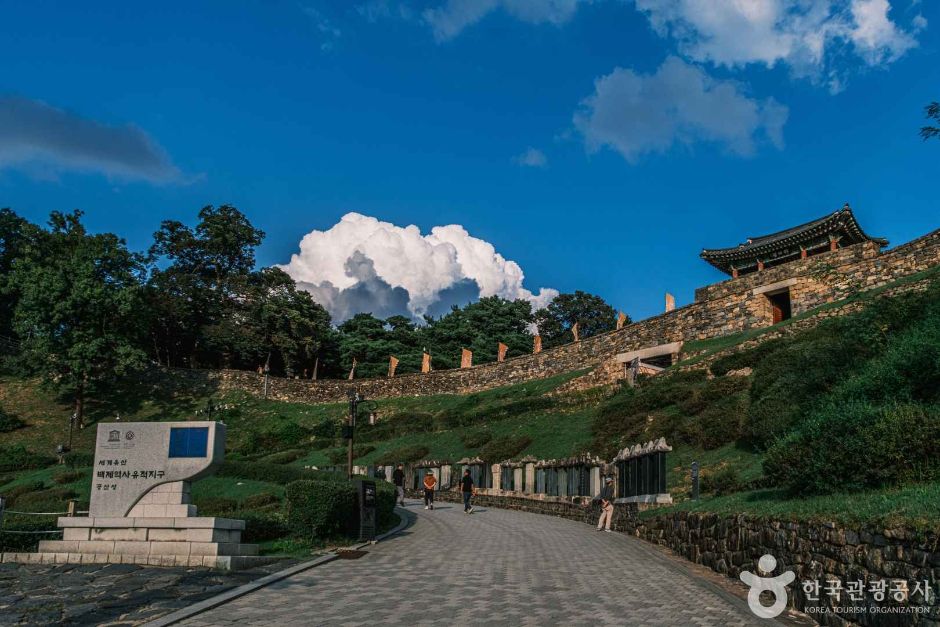
Gyeongju: the thousand-year Silla capital. Two and a half hours by KTX plus a shuttle from Gyeongju Station. Bulguksa, Seokguram, Cheomseongdae, Donggung Palace and Wolji Pond (night views) and Hwangnidan-gil (cafés, hanbok). Ideal for one night of history, photography or family travel; cherry blossoms in April and May, autumn leaves in October and November.
Seoul: a city break. Gyeongbokgung, Changdeokgung and Bukchon; Myeongdong, Hongdae and Gangnam; Itaewon and Ikseon-dong for Korean food and traditional style. Food, shopping, night views and tradition all in one.
Other popular areas:
- Jeonju, North Jeolla: Hanok Village, bibimbap
- Yeosu, South Jeolla: Hyangiram, Yi Sun-sin Square, the sea cable car
- Tongyeong, South Gyeongsang: Dongpirang, Mireuksan, the island-dotted sea
- Andong, North Gyeongsang: Hahoe Village, Dosanseowon
- Danyang, North Chungcheong: Dodamsambong, Mancheonha Skywalk
- Boryeong, South Chungcheong: the Mud Festival, Daecheon Beach
Where to stay: five-star hotels, pool villas and hanok
- Five-star hotels: The Shilla Jeju and Lotte Hotel Jeju (Jungmun), Signiel Busan, Grand InterContinental Seoul, Walkerhill Seoul; KRW 300,000 to 800,000 a night
- Pool villas: Jeju (Jungmun, Pyoseon, Aewol), Gangneung (Gyeongpo), Yeosu (Dolsando), Tongyeong, Gapyeong and Yangpyeong; KRW 250,000 to 600,000 a night, popular with families, honeymooners and for anniversaries
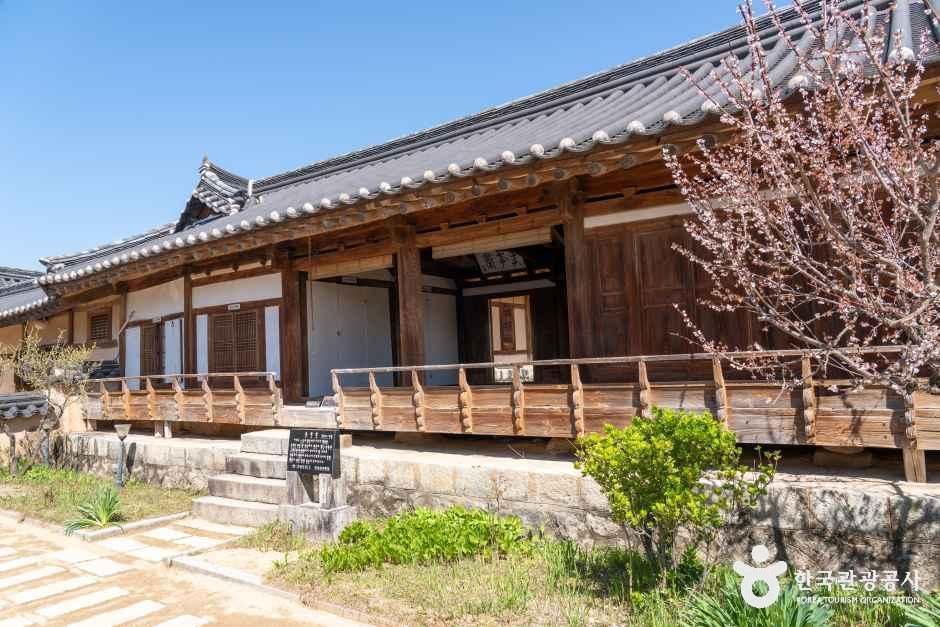
- Hanok stays: Jeonju Hanok Village, Andong Hahoe Village, Gyeongju Hwangnidan-gil; KRW 100,000 to 300,000 a night, popular with international guests
- Camping and glamping: plentiful in Gangwon and Gyeonggi; KRW 50,000 to 200,000 a night
Getting around: KTX, SRT, flights and rental cars
- KTX and SRT: Seoul to Busan 2:30, to Gwangju 2:50, to Gangneung 2:00, to Pohang 2:15. Book on the Korail (Korea Railroad) or SRT apps.
- Domestic flights: Gimpo, Incheon or Busan to Jeju in one hour. Weekday low-cost fares KRW 60,000 to 90,000; weekends and holidays KRW 120,000 to 200,000.
- Express buses: the best value, reaching Gangneung, Sokcho, Jeonju, Yeosu and everywhere else for 50 to 70 percent of the KTX fare.
- Rental cars: essential for touring Jeju, Gangwon and Gyeongsang; KRW 50,000 to 120,000 a day (compact to mid-size).
- Public transport: metro systems in Seoul, Busan, Daegu, Gwangju and Daejeon; T-money and Cashbee cards work across them.
Food by region
- Jeju: black pork, hairtail soup, raw squid, abalone porridge
- Gangwon: makguksu buckwheat noodles (Chuncheon), mulhoe cold raw-fish soup (Sokcho), potato ongsimi, dried pollack hangover soup
- Busan: pork soup, milmyeon, grilled hagfish, raw fish
- Jeonju: bibimbap, bean-sprout rice soup, Jeonju makgeolli
- Yeosu: mustard-leaf kimchi, seafood stew, raw sole
- Tongyeong: oysters (grilled, pancakes), Chungmu gimbap, seafood hotpot
- Andong: Andong jjimdak braised chicken, heotjesatbap, salted mackerel
- Gyeongju: Hwangnam bread, glutinous barley bread, Korean set meals
Season by season
- Late March to early April (cherry blossoms): Jinhae Gunhangje Festival, Yeouido, Gyeongju Bomun Lake, Jeju king cherry blossoms
- May: the Children's Day holiday is peak family travel season, with hotel and pool-villa prices around 1.5 times higher
- June to August (summer): peak beach season (Busan, Gangneung, Sokcho, Jeju) and mountain trekking (Seoraksan)
- September and October (autumn): autumn leaves (Seoraksan, Naejangsan, Juwangsan) and cosmos fields (Cheongyang, Yeongju)
- Late October to November: autumn leaves peak at Hwangnidan-gil and Jeonju Hanok Village
- December to February (winter): skiing in Pyeongchang and Jeongseon, January sunrise in Gangneung, camellias and canola flowers on Jeju
- February: during the Lunar New Year holiday, five-star hotel and pool-villa prices are at their highest; book 4 to 6 weeks ahead
Budgets
- Day trip to Gangneung (return KTX, café, lunch): KRW 80,000 to 150,000 per person
- One night in Busan (KTX, hotel, raw-fish dinner): KRW 200,000 to 400,000 per person
- One night on Jeju (flight, pool villa for four): KRW 180,000 to 350,000 per person
- Two nights in a Gangwon pool villa, family of four: KRW 800,000 to 1,500,000
- A week on Jeju, family of four, pool villa and rental car: KRW 2,500,000 to 5,000,000
Five-star hotels (The Shilla Jeju, Lotte) cost KRW 500,000 to 1,200,000 a night, popular for hotel stays and anniversaries. For Korea's long holidays (Lunar New Year, Chuseok, May and late December), book six weeks ahead.
FAQ
What is the best-value trip in Korea?
One night in Gangneung or Sokcho: KTX, an ocean-view guesthouse and raw fish or mulhoe can come in under KRW 300,000 per person.
When are flights to Jeju cheapest?
In the off-season (February, June, November), weekday low-cost fares from Gimpo to Jeju are KRW 40,000 to 70,000; weekends and holidays KRW 120,000 to 250,000. Booking four weeks ahead is recommended.
Where are the best pool villas?
Jeju (Jungmun, Aewol), Gangwon (Gangneung Gyeongpo, Yangyang), Yeosu (Dolsando) in South Jeolla, and Gapyeong and Yangpyeong in Gyeonggi, at KRW 250,000 to 600,000 a night.
Where should I go with children?
Jeju (theme parks, zoos, aquariums), Everland, Gyeongju’s Bomun complex (Bomun Lake plus Bulguksa) and the Alpensia water park in Gangwon.
What is a good one-night trip for first-time visitors?
Seoul (Gyeongbokgung, Bukchon, Myeongdong) or Gyeongju (Bulguksa, Hwangnidan-gil); Gyeongju is about two hours from Seoul by KTX.
Where should I go in winter?
Skiing in Pyeongchang and Jeongseon, the January sunrise in Gangneung, Jeju camellias and canola flowers (February), the Andong smelt festival and Deogyusan in Muju.
Can I find pet-friendly stays?
Jeju, Gangwon and Gapyeong have plenty of pet-friendly pool villas and guesthouses. Always confirm that pets are allowed when booking.
Sources
- K-ETA (Korea Electronic Travel Authorization) · Ministry of Justice, Republic of Korea · accessed 2026-10-30
- Korea Visa Portal · Ministry of Justice, Republic of Korea · accessed 2026-10-30
- VisitKorea · Korea Tourism Organization · accessed 2026-10-30
- TourAPI 4.0 · Korea Tourism Organization · accessed 2026-04-25
- Korail (KTX booking) · Korea Railroad Corporation · accessed 2026-04-25
Information was checked against the official sources listed above. Opening hours, fees and fares can change; please confirm with the venue or operator before you visit.